

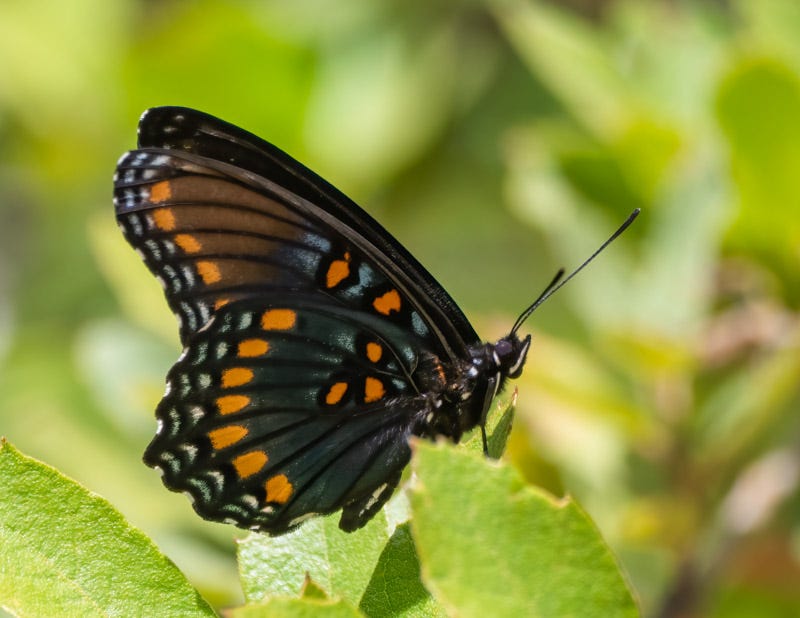
I have already shared the photos of the Coppery-tailed Trogons and the Woodpeckers from my recent visit to the Chiricahuas. This post has a variety of other living things that were seen during that visit. On the trail at the end of South Fork, this butterfly surprised me because it looked like a Pipevine Swallowtail but was missing the tail. I puzzled over it but have learned that it is a mimic of that butterfly. This Red-spotted Admiral evolved to look like the Pipevine Swallowtail since those butterflies are toxic and taste terrible. Predators have learned to avoid Pipevines so the Red-spotted Admiral benefits from looking just like that species.
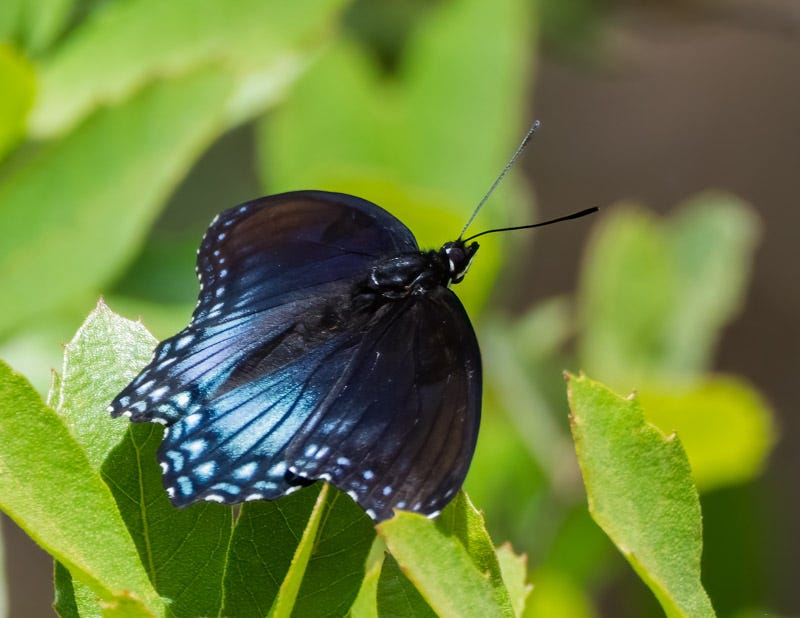
The dorsal (upper) side of this butterfly’s wings are a shiny metallic blue.The underside of the wings, visible when the butterfly is resting with its wings together, provide a better camouflage for the resting butterfly as the colors are much more muted.
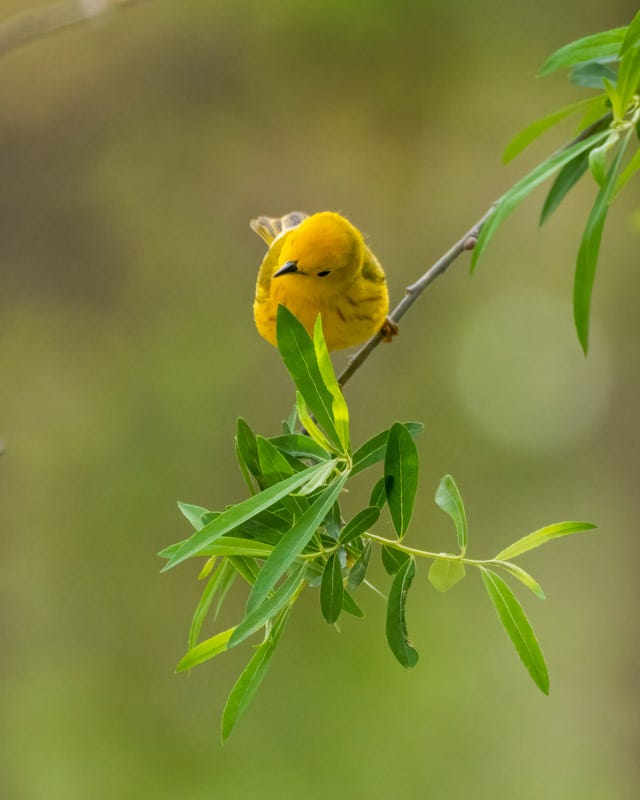
The Northern Yellow Warbler male is a bright yellow bird with beady black eyes and rusty streaks on its breast. Warblers eat mostly insects, and this bird is looking very closely for even the tiniest prey it can find.
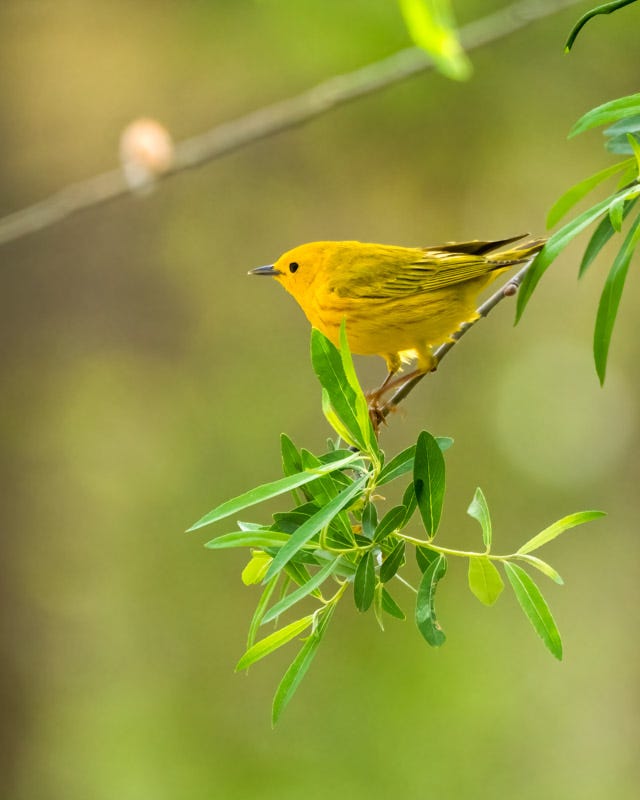
Warblers are constantly on the move while flitting through the trees, looking for insects. This Northern Yellow Warbler was no exception. I felt lucky to catch him out in the open for a fraction of a second.
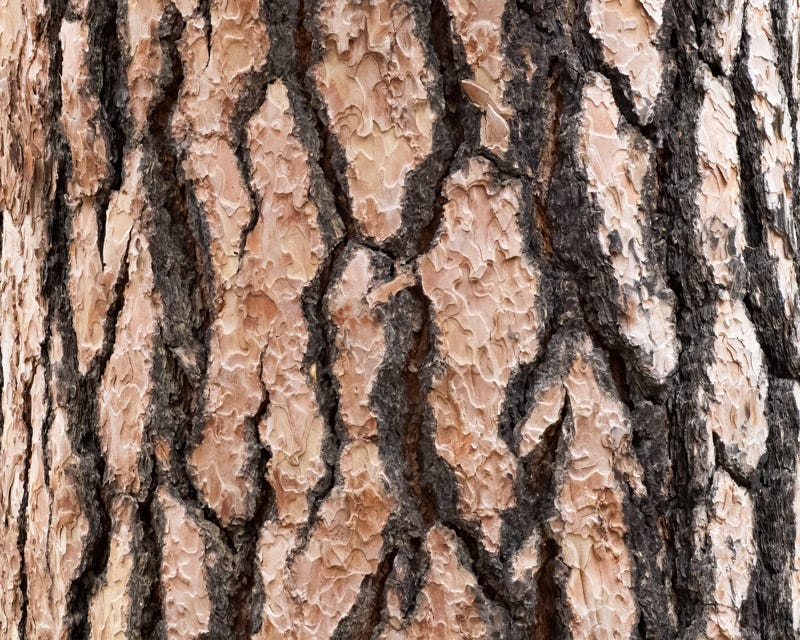
Any time I am in the upper elevations of the Sky Islands, my attention is always captivated by the texture of the ponderosa pine trees. The richly colored bark is broken into what looks like large puzzle pieces, edged deeply in black.
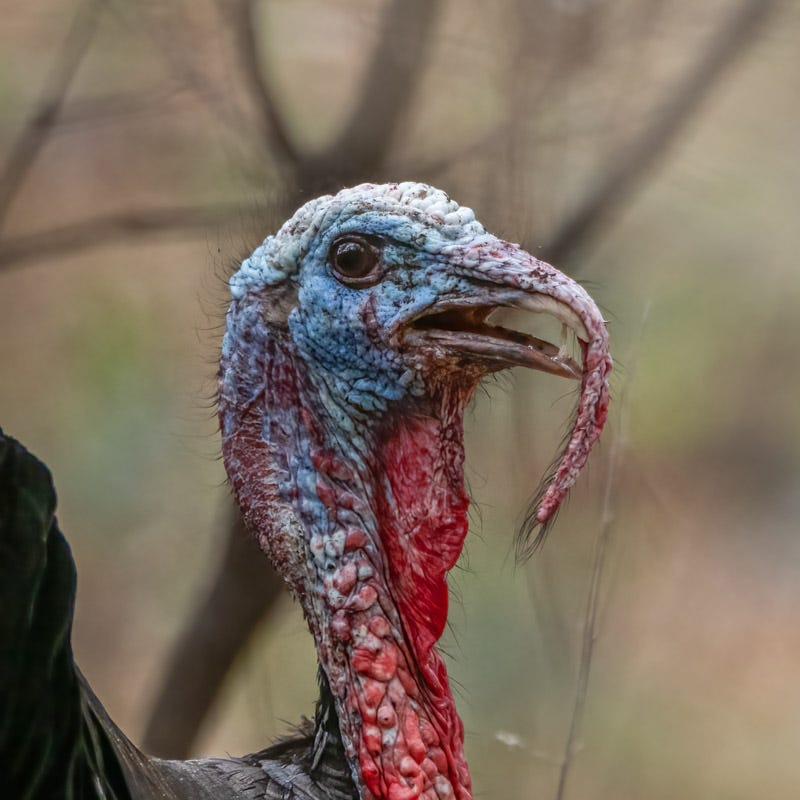
Cave Creek Ranch is known for its cabins and for the many feeders available for the wildlife. This Gould’s Wild Turkey, a Tom or male, came in to scratch for bird seed that had fallen to the ground. Gould’s are the largest of the turkey subspecies in the United States. As part of their handsome looks, they sport a long beard of hair-like feathers. The short pointed flesh between its nostrils and eyes is called a snood. The snood may be short when the turkey is relaxed or anxious.
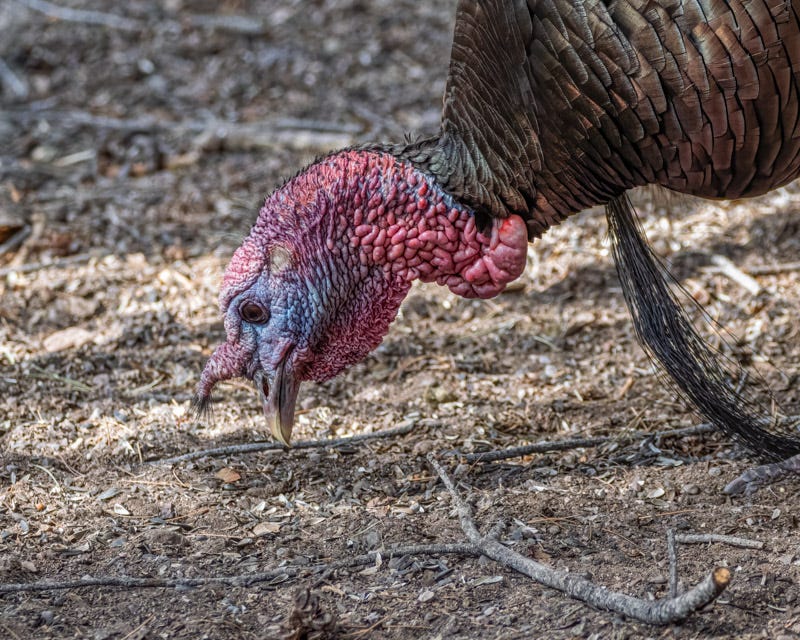
If the Tom Turkey gets more excited, the snood will elongate. Wild Turkeys have a very unusual looking face, to say the least. The red bumpy features are called caruncles, and the red fleshy flap of skin on its neck is called a wattle. Birdnote tells us what a wattle is good for!
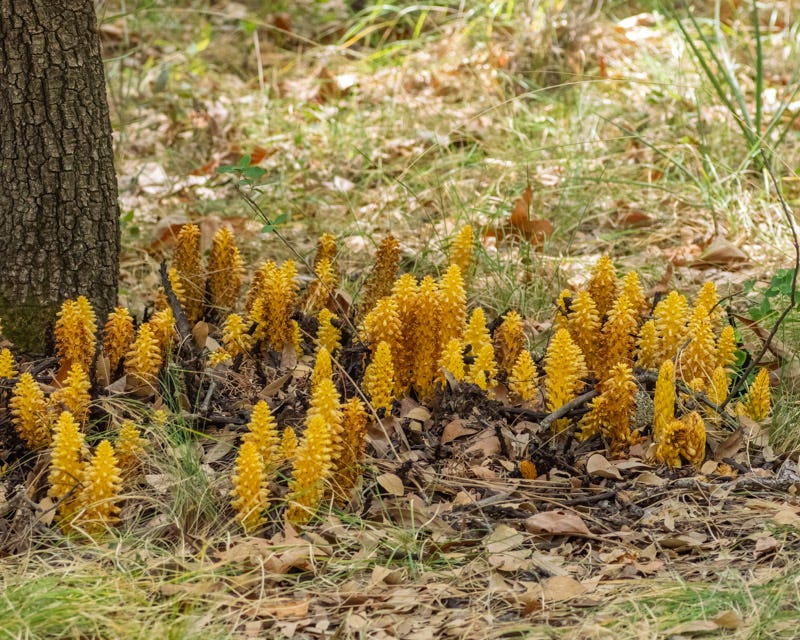
The plants at mid-elevation of the Chiricahuas are very different from those in Tucson’s Sonoran Desert valley. One that I had never seen before was this yellow growth near the base of some trees. Called Mexican Cancer-root, it is a parasitic plant that grows on the roots of some oak trees.
We were staying at the Southwestern Research Station, at about 5,500 feet elevation. Javelinas came through the site. Those Javelinas seemed to have darker and longer hair than that of the javelinas I see in my neighborhood in Tucson. Perhaps the colder weather at the higher elevation had something to do with that. Two Javelinas ran through the yard before one stopped and raised its coarse, wiry hair. It might have been agitated that I was walking through “its” yard, even at a distance.
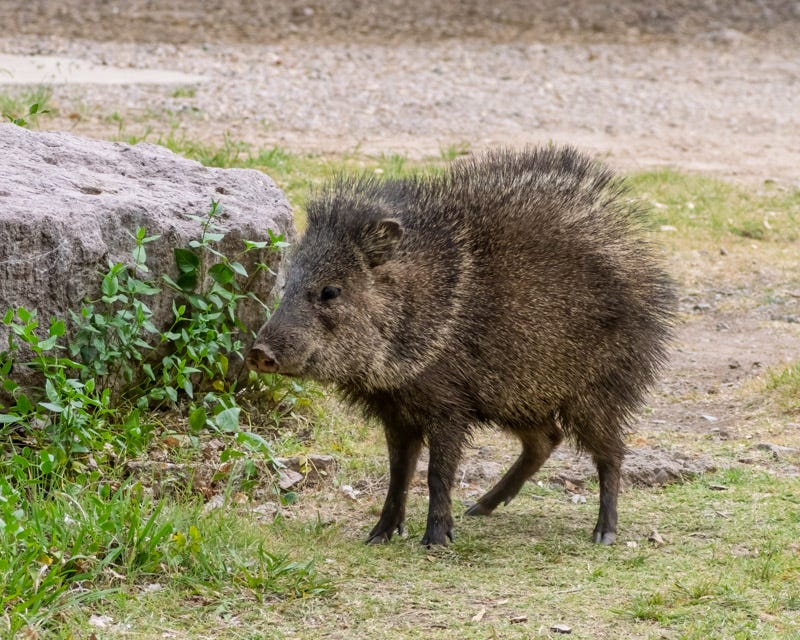
Although I came to the Chiricahuas for the birds, there was much more to see there!
Thanks for allowing me to see birds—and a butterfly!—I will never see in the valley. Such beauties, even (maybe especially) the turkey. It's always a joy to see your posts pop up in my email.
What a nice variety of nature’s creatures and colours. I have been lucky enough to see many of the Northern Warblers in the last few days as they have returned to our area just north of Toronto. They are definitely busy and the bird watchers are enjoying the activity!