

One morning I had finished birding at El Rio Preserve when someone in our group saw a raptor circling overhead. We looked up to see a Broad-winged Hawk soaring lazily over the water. Looking at its tail feathers, we learned that this bird is just over one year old. The outer tail feathers, with the finer banding, are juvenile feathers. The central tail feathers with the broader bands are adult feathers. That detail tells us this bird is molting from its juvenile plumage to its adult plumage.
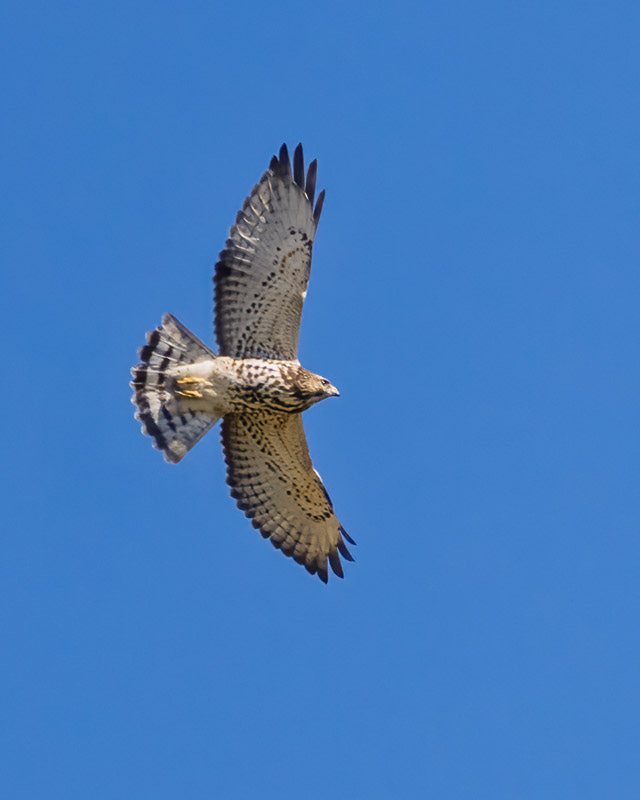
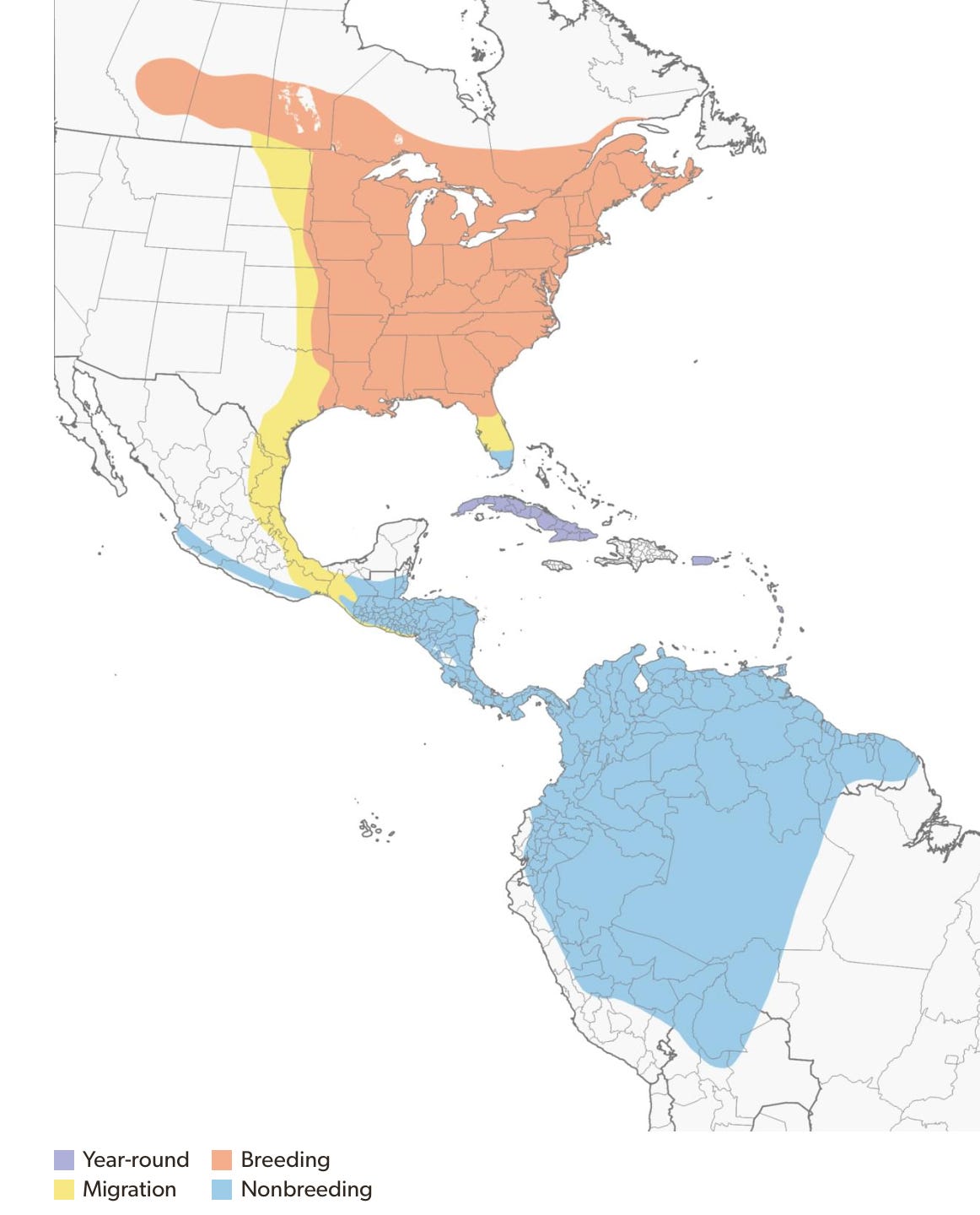
This Broad-winged Hawk is a rarity in southern Arizona. The AllAboutBirds range map shows you how much of a rarity this bird is in our area. This species is clearly an eastern species. It migrates to Central and South America for the winter. Somehow this bird ended up in Southern Arizona. There have been several reports of these Broad-winged Hawks here in the previous two weeks. Whether this bird is just passing through or plans to stay awhile, it was still a real treat to get a glimpse of it. After circling El Rio a few times it soared towards the south and disappeared.
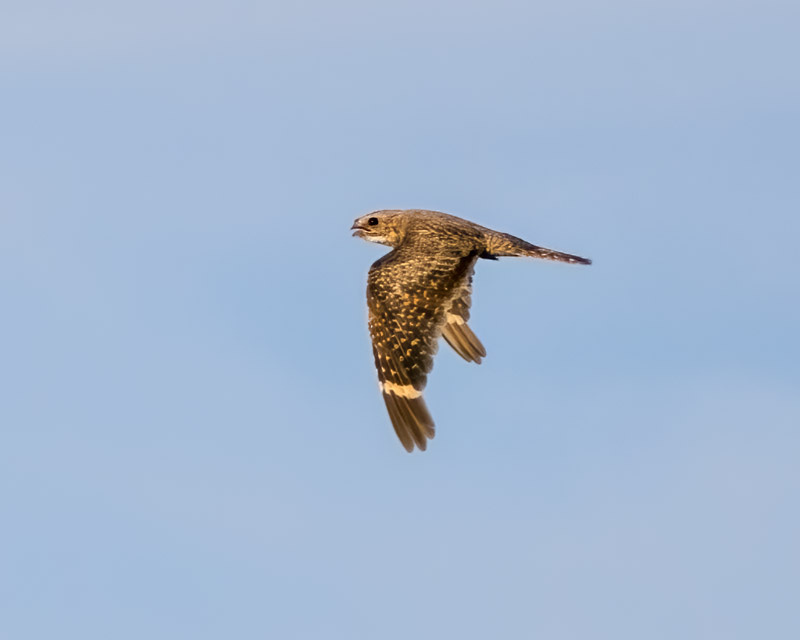
Several weeks ago I saw a Lesser Nighthawk over farmland in western Marana. It felt like it was late in the season, so this may have been my final view of a Lesser Nighthawk this year.
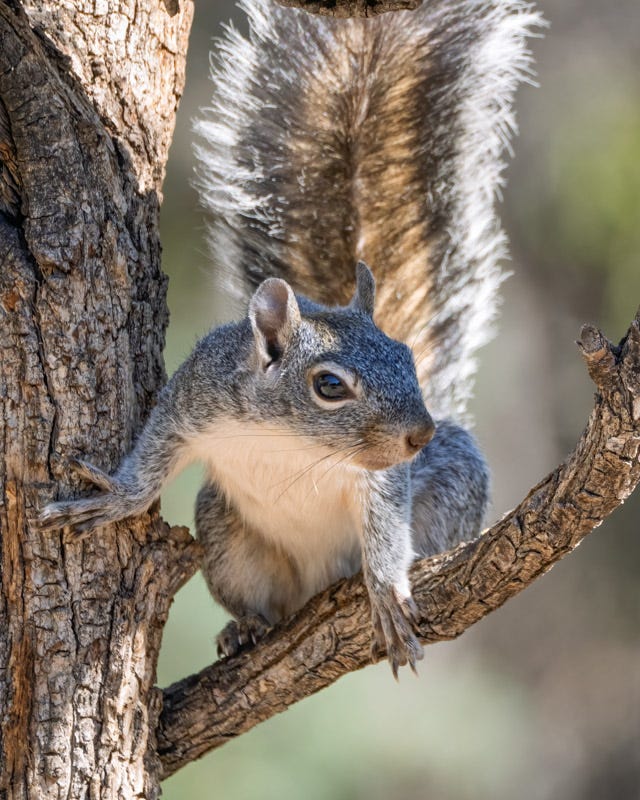
Early in the summer I visited Ash Canyon in the Huachucas. Arizona Gray squirrels are tree squirrels that live in mountain ranges, generally at low to middle elevations. Most of this species lives in Arizona, with some population in New Mexico and Sonora, Mexico. Its name reflects the fact that it is truly an “Arizona” Gray Squirrel.
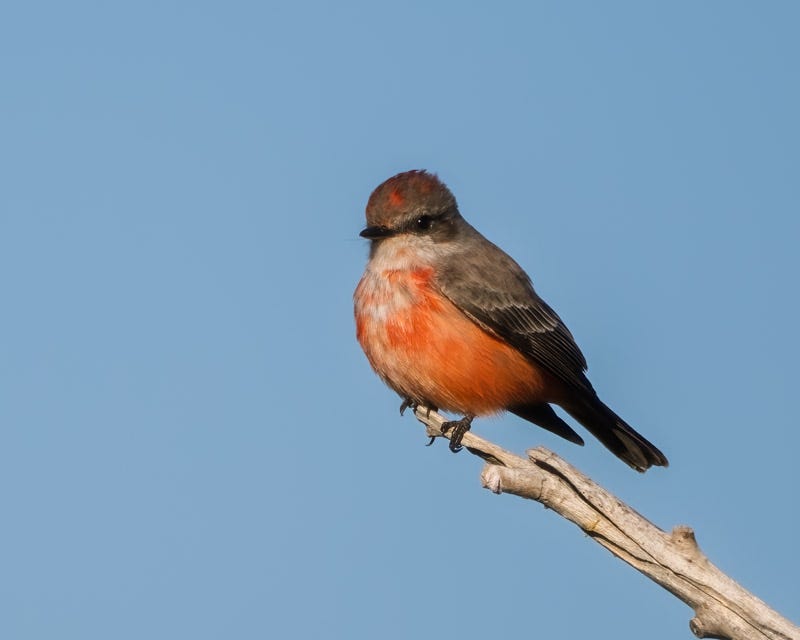
I saw a young male Vermilion Flycatcher at El Rio. Every single Vermilion Flycatcher out there looks so nice.
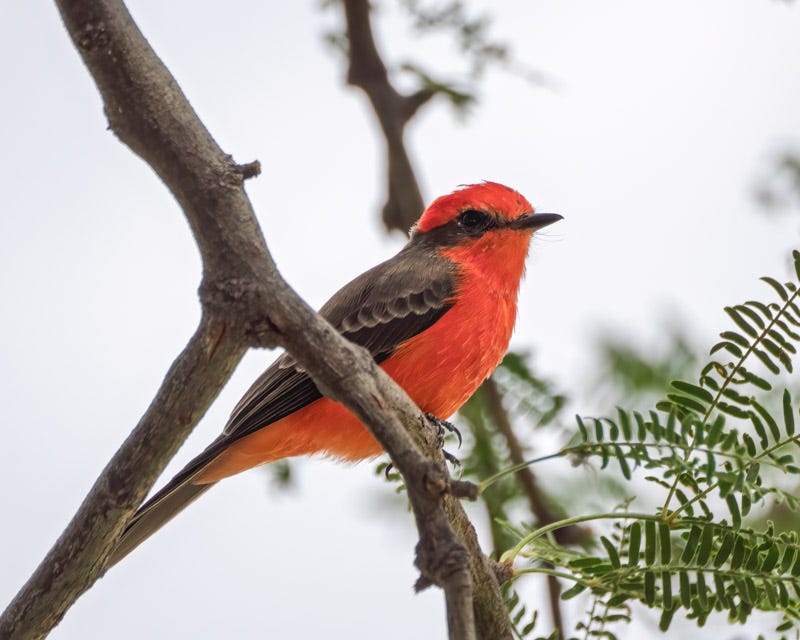
Here is an adult male Vermilion for comparison. This one was seen in the far southwest side of Tucson.
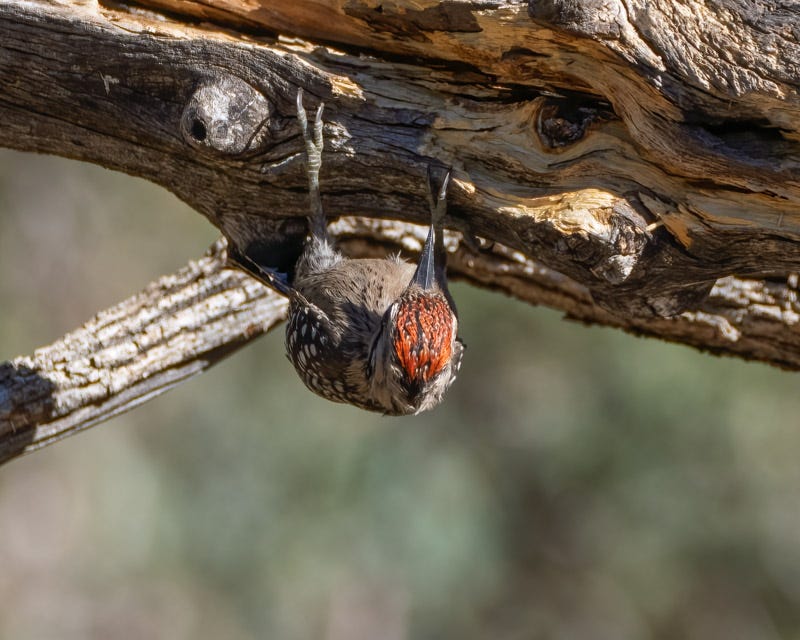
Back at Ash Canyon, a male Ladder-backed Woodpecker was going about its day in search of food. It always amazes me to see how Woodpeckers can casually, without any apparent stress, hold onto a tree while completely upside down, and at the same time be able to eat food while upside down!
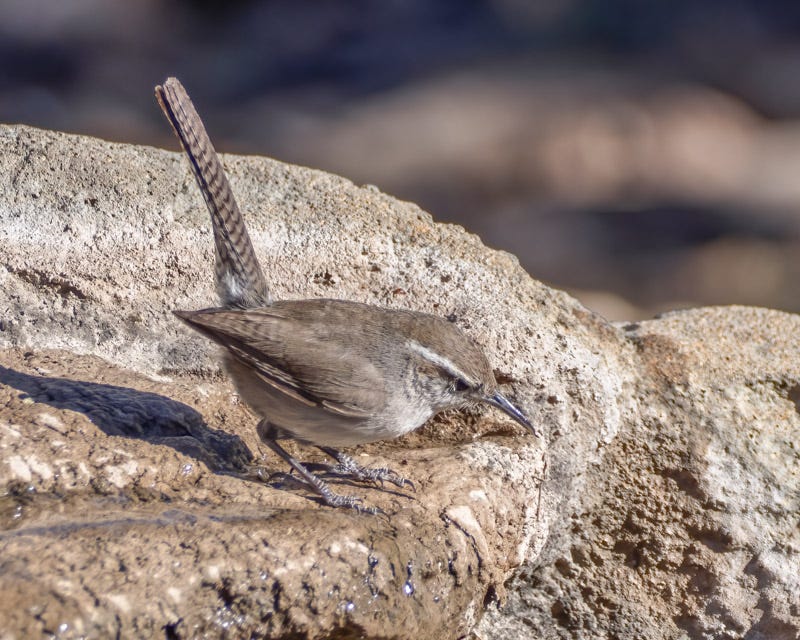
Because Cactus Wrens are the most common wrens in our southern Arizona deserts most people know about them. They are large, social and very unafraid of humans. The Bewick’s Wren is also a common Wren in the Southwest, but it is smaller than the Cactus Wren. Bewicks have a white eyebrow stripe and they hold their tails up while Cactus Wrens hold their tails flat. The habitat for Cactus Wrens is the desert while Bewick’s Wrens are found in more brushy areas. Ash Canyon, where we saw this bird, is at about 4,700 feet in elevation where the habitat is perfect for the Bewick’s Wren
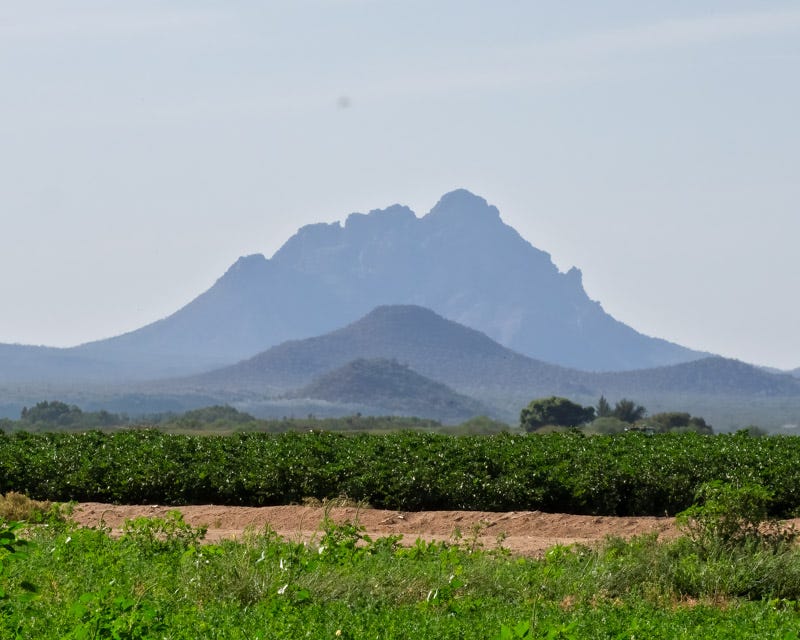
One of the farms I frequent in Marana is well west of the Tucson Mountains. From there, looking further to the west are the Silverbell Mountains. Ragged Top is a well named mountain at the northern end of that range. I like the layered look of this shot with the contrast of the taller Ragged Top and the two shorter hills in front of it. In the foreground is a field of green alfalfa and then a field of Pima cotton plants.
This final photo was taken at one of the farms I visit often. It’s a nice place to spend some time.